Chapter 7: The Passenger
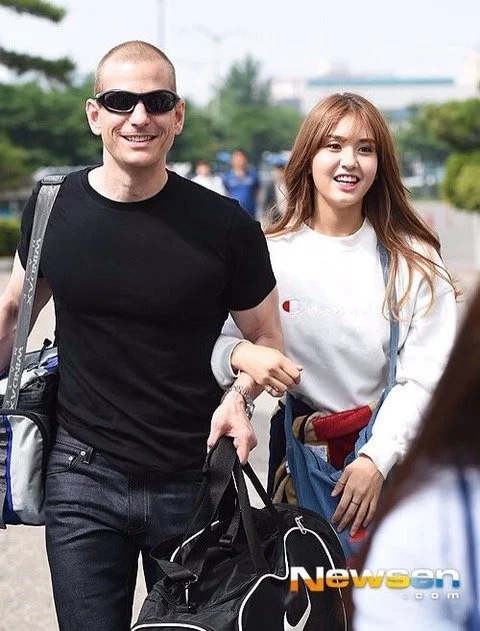
By March 2012, I was preparing to leave Korea, to return to the U.S. for a job as a national correspondent.
My wife had returned two years earlier. The Benzo felt emptier.
After nearly four years, I was worn down. Maybe it was almost dying that Christmas Eve. Or the license plates that never came, the sense that every drive was borrowed.
Whatever trust I had left ended in that pie shop. After that, I moved differently. Matt said I walked around like a man who’d started hearing footsteps in empty rooms.
As I packed for a short reporting trip to Tokyo, I couldn’t shake the feeling that the pie shop incident wasn’t over. The police would figure out who I was.
Korea was closing in.
The year before, I’d covered the tsunami and nuclear disaster in Japan—a story so large the world leaned toward it. I was going back for the anniversary. One more piece, then I’d return to Seoul, pack up my life—including the Benzo—and leave for good.
One afternoon, while in a Tokyo market, my phone rang.
It was Matt.
This can’t be good, I thought.
It wasn’t.
“The police know who you are.”
“What do I do?”
“Don’t come back.”
I didn’t argue. I would fly straight to Los Angeles. Skip Seoul. I called my wife. For the first time, I told her about The Spit. She was angry—at me, at how something so small had blown this wide open.
“Go home,” she said. “I’m coming.”
Only years later did I learn what Matt had been trying to do.
While I was preparing to leave Korea, Matt was working behind the scenes.
He'd offered to deal with the police himself—to keep my name out of it if he could.
Like most foreigners, I rented my apartment under Korea's jeonse system. Instead of paying monthly rent, I'd put down a huge deposit. As my departure neared, I worried the landlord would keep it, leaving me to chase my own money from another continent.
Matt offered a solution.
He offered to take over the lease, recover the deposit after I left, and wire me the money.
I laughed.
"Yeah, right. That's not happening."
Years later, Matt told me what that joke had meant to him.
"It was the only time I lied to you," he wrote. "I told you the one thing I knew would keep you away—that the police were looking for you. The truth is, I wasn't ready to face you after that jeonse joke. I couldn't pretend it hadn't changed something."
When I tell the story now, I say I slipped out of Korea like an international fugitive.
It isn't exactly true.
But it felt true.
I never went back.
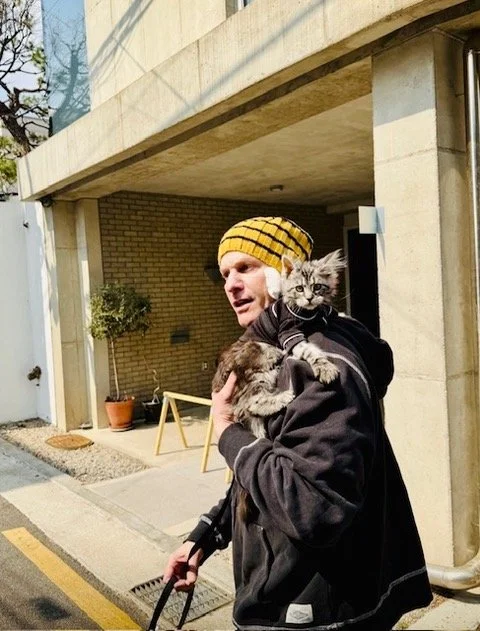
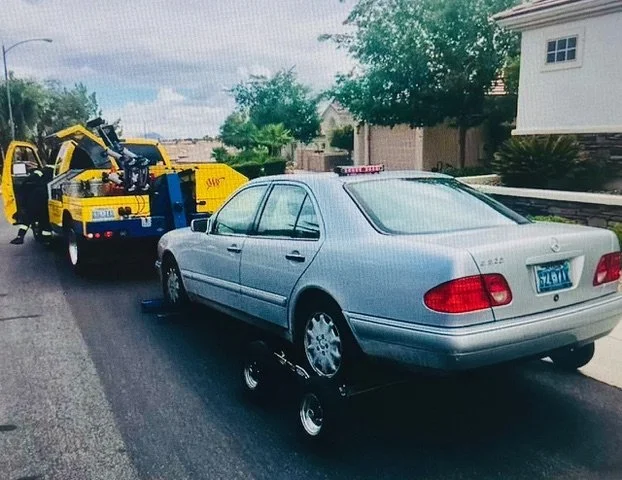
Back in the States, I kept moving—roaming the American West as a feature writer. I sold the Benzo. The only time I thought of Korea was flying over Seoul on trips to Beijing.
Matt stayed.
Life changed. Photography slowly fell away. He sold his Canon and built a new life around a salmon-smoking business called Longboat Smoker. It grew into a neighborhood restaurant and wine bar. Some days the Norwegian ambassador drops by. Most days it's just neighbors sharing a bottle of wine. Matt says he's happiest when the salmon comes out right.
His daughter Somi became an international K-pop star. Suddenly people knew Matt as "Somi's dad," a role that made chasing dangerous stories impossible.
Years later, Matt began stopping by Park's office.
Not because he needed anything.
Just to say hello.
Park’s office was a small square room, built for function. He sat in the corner. No smile. A nod. Enough.
Sometimes, after a night out, Park would call and ask Matt to join for a drink. They met in low-budget bars. Small tables, tired walls. No need to perform. They talked about ordinary things.
Park called Matt dongsaeng. Younger brother.
Then he invited Matt to a family gathering.
Park worried about his son.
Matt checked in on him now and then.
No lectures. Just another adult willing to listen.
When Park’s mother died, Matt went to the funeral. He arrived early, before the room filled. Only Park was there.
Matt bowed fully—slow, deliberate.
First to the mother.
Then to the son.
Eighteen months later, in 2024, Park called.
He said his son’s name. The boy was dead.
Construction job in another city. A fall in the shower.
Then silence.
Matt understood.
He called Shane.
They went together.
They drank. Not to celebrate. Not to forget. Just to sit with it.
After that, there was no question.
Matt was family.
The older I get, the more I think about the people who showed up when it mattered.
Not long ago, I called Matt on FaceTime.
I thanked him for taking the heat with the police. For always looking out for me. For those days we barreled down Korean highways, convinced the road ahead belonged to us.
I’d never said it out loud.
It was time.
We'd spent four years making bad decisions.
Some nearly killed us.
One almost ended our friendship.
Looking back, I don't think this story was ever really about Korea.
It was about the man riding beside me.
The Passenger.